
GARBAGE, GARBAGE EVERYWHERE
Written by Harshit Sharma



Written by Harshit Sharma
oung Science Writers’ Program 2019
Garbage can be generally defined as something which was produced by humans which proved to be greatly disastrous for the Earth. There are two types of garbage – Biodegradable and Non-Biodegradable.
Biodegradable is something that mixes with the soil and is not harmful. On the contrary, we have non-biodegradable waste. It includes waste which is commonly seen, not only on land but also in water like plastic, cans etc.
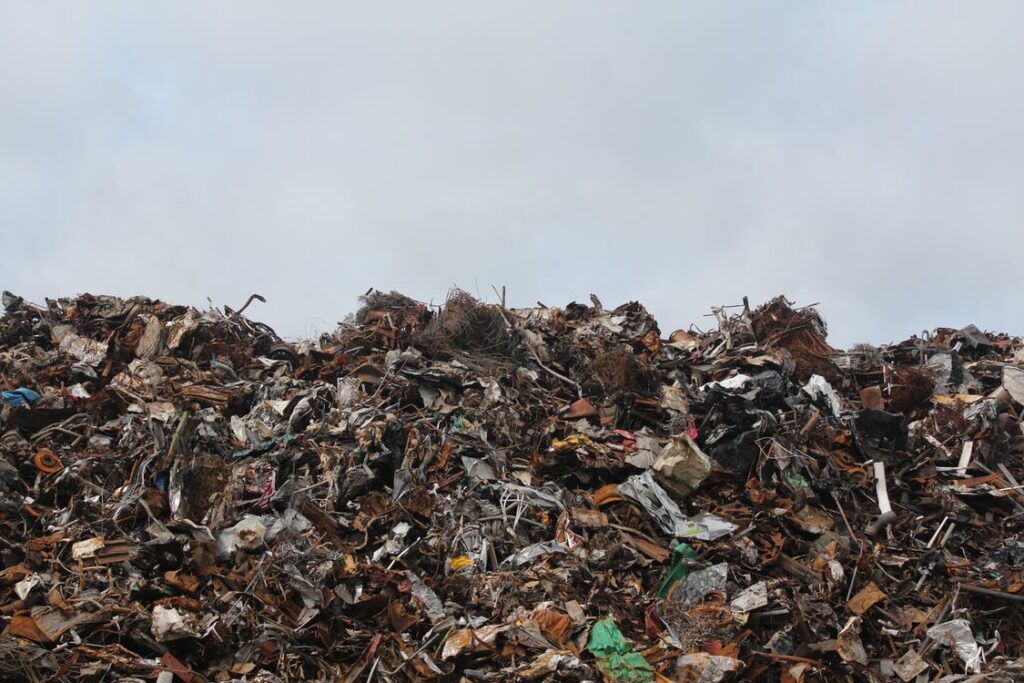
The whole earth today produces around 2.12 billion kg of waste every year. It means 726 kg of waste per person every year. This number includes every kind of waste including vegetables and plastic. If the waste produced by the whole earth is loaded in trucks, the total loaded tucks when forming a line, it could encircle the Earth about thrice. The total waste includes 9 billion kg of plastic. From this, only 9 % gets recycled.
Plastic not only causes inconvenience for disposal but also creates a large amount of pollution. It causes land as well as water pollution. The water gets contaminated if waste mixes in it. It can happen when a flood arises. Moreover, the water is not able to go into the drains as the waste or plastic clogs the drains. Some places regarded as religious or sacred are also now polluted with garbage like Mt Everest, the River Ganga and even the spot of research on the Moon.
Mt Everest got the title of the ‘mountain of trash’ as 11 tonnes of garbage was observed, and thereby cleaned from it.
The river Ganga is one of the most polluted rivers on earth.
Moon has recently been discovered with the garbage left by the astronauts while visiting the moon. It has over 1,80,000 kg of man-made material over there. Most of this was left by astronauts during the Apollo Programme.
To get rid of the problems with the root cause of waste material, the world is taking necessary steps today. Some of the notable ones are mentioned below:
But are these steps enough or do we still have to travel a long way to make the world a better place? The answer lies in the efforts of each individual.
Written by Rudra Oza (Grade 7, Nirma Vidhyavihar)
Edited by Sofiya Shahiwala

Written by Sofiya Shahiwala Formally defined as a systematic enterprise that builds and organizes knowledge in the form of testable...

Young Science Writers' Program 2019 We, as humans, are throwing more than 8 million tons of plastics into the oceans...

Young Science Writers' Program 2019 “We are running the most dangerous experiment in history right now, which is to see...