
International Tiger Day
Written by Harshit Sharma



Written by Harshit Sharma
Tigers are the largest members of the cat family and are apex predators. Habitat fragmentation, hunting and habitat loss have greatly reduced their historical range and population. India is home to the world's largest population of wild tigers, making conservation efforts especially important.
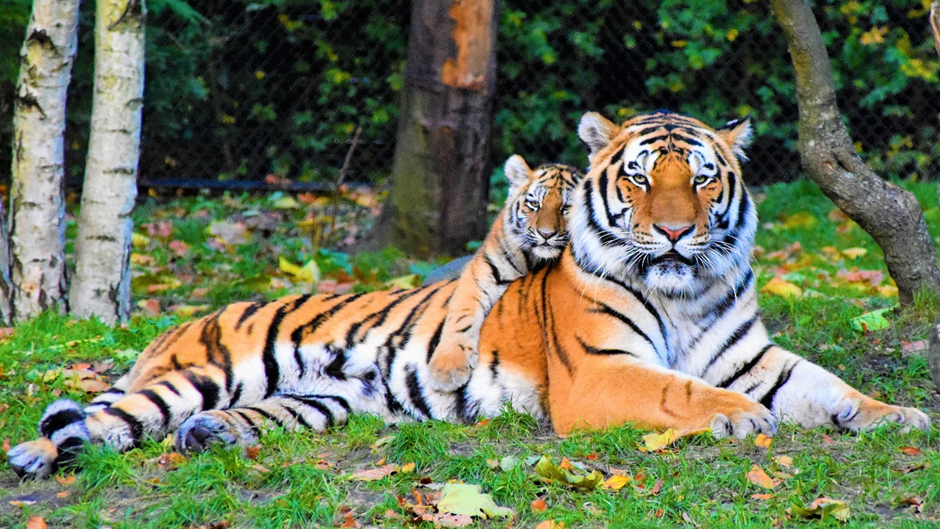
International Tiger Day is observed on 29 July to raise awareness about tiger conservation and the need to protect habitats. The article also describes tiger subspecies and shares facts about these remarkable animals.
The Siberian or Amur tiger is the largest tiger subspecies, while the Sumatran tiger is the smallest.
Tigers often do much of their hunting at night, when they can move through their territories with less human disturbance.
Unlike many domestic cats, tigers enjoy water and are capable swimmers. Mothers also help their cubs learn essential survival skills.
Tigers rely on stealth and powerful bursts of speed when hunting prey.
Tiger saliva has properties that have been discussed for their role in cleaning wounds, although this should not be taken as medical advice.
A tiger’s stripe pattern is distinctive, and stripes can also be present on its skin beneath the fur.
Tiger urine has been described as smelling similar to buttered popcorn and can function as a territorial signal.
International Tiger Day reminds us that protecting wildlife requires safeguarding ecosystems and taking sustained conservation action.

Written by Sofiya Shahiwala Formally defined as a systematic enterprise that builds and organizes knowledge in the form of testable...

Young Science Writers' Program 2019 We, as humans, are throwing more than 8 million tons of plastics into the oceans...

Young Science Writers' Program 2019 “We are running the most dangerous experiment in history right now, which is to see...

Young Science Writers' Program 2019 Garbage can be generally defined as something which was produced by humans which proved to be...