Plastic-Free July
Written by Harshit Sharma



Written by Harshit Sharma
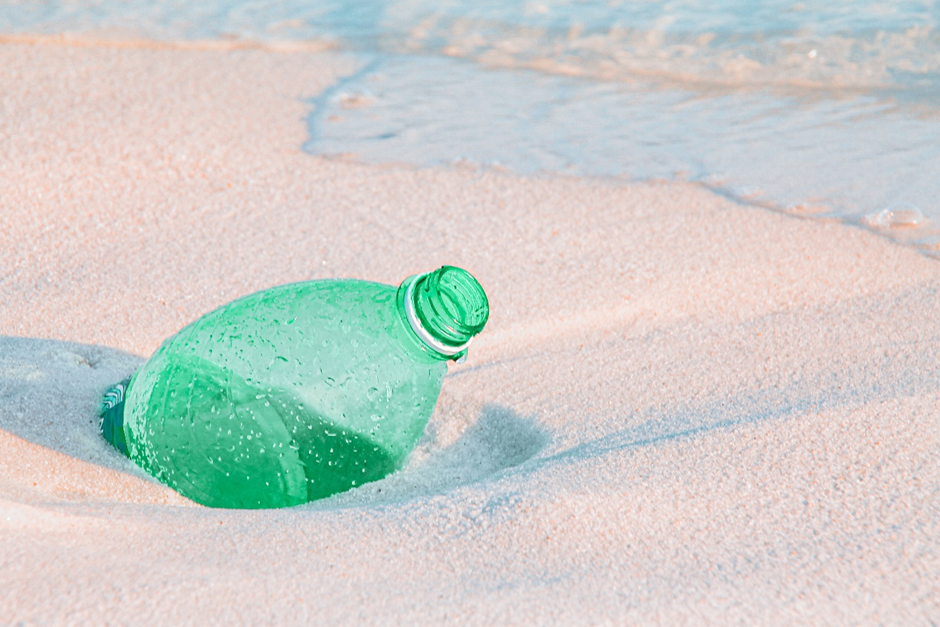
Recycling is widely known, yet large quantities of plastic still enter the oceans every year. Single-use plastics are especially harmful because they are used briefly, persist in the environment and can break down into tiny non-biodegradable pieces.

Plastic-Free July began in Western Australia in 2011 and grew into an international movement. It encourages people to reduce plastic waste, learn about alternatives and develop habits that continue beyond July.
Many disposable items—including plates, spoons, cups and bags—have reusable or lower-waste alternatives.
Reusable wraps made from cotton coated with beeswax and other ingredients can replace disposable plastic wrap. With appropriate care, some can be reused for months and composted at the end of their useful life. Plant-wax alternatives are also available.
Reusable glass, stainless-steel or silicone straws can reduce disposable straw waste. Paper or cardboard straws may be suitable in settings where reusable options are impractical.
Reusable silicone covers can be used to cover bowls and store leftovers instead of using single-use plastic film. Their environmental impact depends on how they are made, used and disposed of.
Plastic-Free July is a starting point: lasting change depends on people making conscious choices and reducing unnecessary plastic throughout the year.

Written by Sofiya Shahiwala Formally defined as a systematic enterprise that builds and organizes knowledge in the form of testable...

Young Science Writers' Program 2019 We, as humans, are throwing more than 8 million tons of plastics into the oceans...

Young Science Writers' Program 2019 “We are running the most dangerous experiment in history right now, which is to see...

Young Science Writers' Program 2019 Garbage can be generally defined as something which was produced by humans which proved to be...